
Understanding SEER Ratings and Energy Efficiency in AC Heating Systems
Introduction
When it comes to heating and cooling our homes, energy efficiency is a crucial factor to consider. Understanding SEER ratings and energy efficiency in AC heating systems can help homeowners make informed decisions when it comes to their HVAC systems. In this comprehensive guide, we will delve into the importance of SEER ratings, tips for improving energy efficiency, maintenance practices, and more.

Understanding SEER Ratings
What are SEER Ratings?
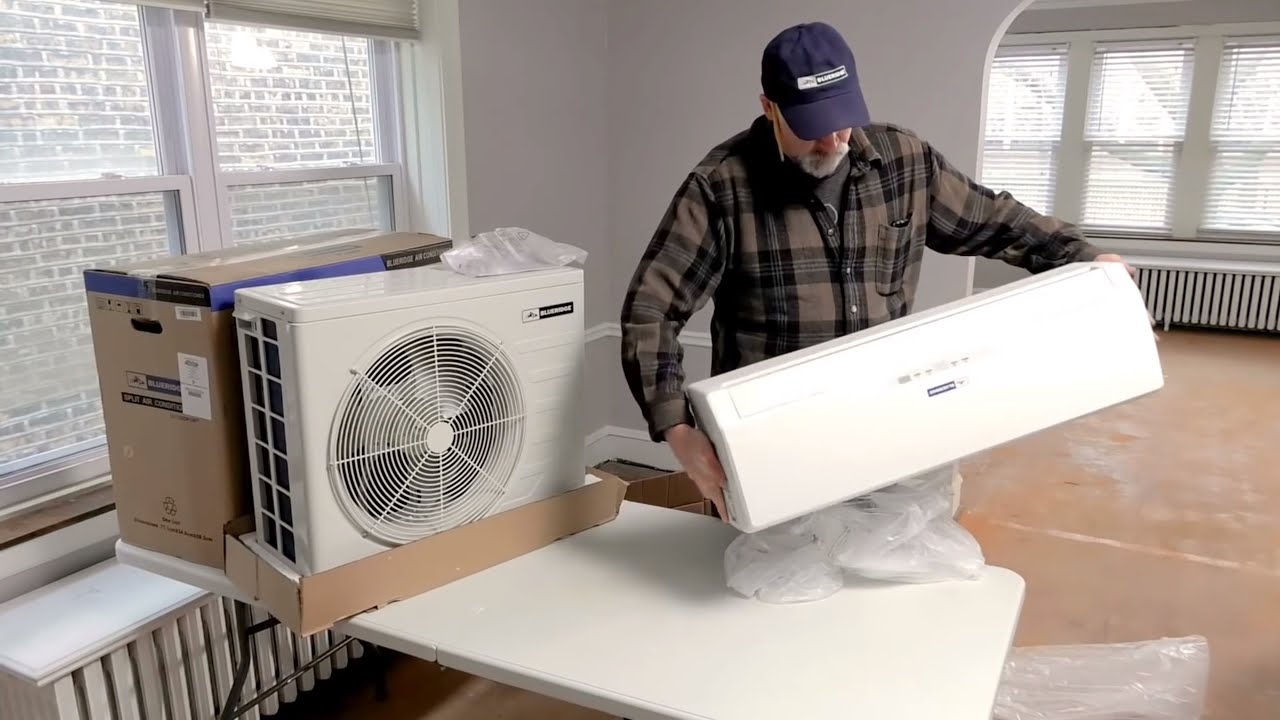
SEER stands for Seasonal Energy Efficiency Ratio and is a measure of the efficiency of an air conditioning unit or heat pump over an entire cooling season. The higher the SEER rating, the more efficient the system is at cooling.
Why are SEER Ratings Important?
SEER ratings are important because they indicate how much energy a system consumes to provide cooling. Higher SEER ratings mean lower energy consumption, which can lead to lower utility bills and reduced environmental impact.
How to Determine the SEER Rating of Your System?
To determine the SEER rating of your system, you can usually find it on the manufacturer's label on the unit. If you can't locate it there, you may need to consult with a professional HVAC technician.
Energy-Efficient Heating Tips
Regular Maintenance
Regular maintenance is key to keeping your AC heating system running efficiently. This includes changing air filters regularly, cleaning coils, and scheduling annual inspections with a professional HVAC technician.
Upgrade to a Programmable Thermostat
A programmable thermostat allows you to set specific temperatures for different ductwork maintenance times of day, helping you save energy and money by only heating or cooling your home when necessary.
Seal Air Leaks
Sealing air leaks in your home can prevent warm air from escaping during the winter months and cool air from escaping during the summer months. This can significantly improve the efficiency of your heating and cooling system.

Heating Installation
Choosing the Right Size System
It's important to choose the right size system for your home to ensure optimal performance. An oversized system will cycle on and off frequently, leading to increased wear and tear on the unit, while an undersized system will struggle to keep your home comfortable.
Proper Duct Installation
Proper duct installation is essential for maximizing the efficiency of your heating system. Leaky or poorly insulated ductwork can lead to wasted energy and decreased indoor air quality.
Heat Pump Maintenance
Regularly Clean or Replace Air Filters
Air filters should be cleaned or replaced regularly to ensure proper airflow and prevent dust and debris from clogging the system.
Check Refrigerant Levels
Low refrigerant levels can indicate a leak in your heat pump electric radiators system. It's important to have a professional HVAC technician inspect and repair any leaks promptly.
Furnace Replacement
Signs It's Time for a Replacement
air conditioningIf your furnace is more than 15 years old, experiencing frequent breakdowns, or not providing adequate heat, it may be time for a replacement. A new furnace can improve energy efficiency and indoor comfort.
Choosing an Energy-Efficient Model
When replacing your furnace, opt for an energy-efficient model with a high AFUE (Annual Fuel Utilization Efficiency) rating. This will help lower your utility bills while reducing your carbon footprint.
Indoor Air Quality and Heating
Importance of Indoor Air Quality
Indoor air quality plays a significant role in overall health and comfort. Proper ventilation, humidity control, and filtration are crucial for maintaining clean indoor air.
Use Air Purifiers
Air purifiers can help remove allergens, pollutants, and other contaminants from indoor air, improving overall air quality in your home.
FAQs about Understanding SEER Ratings and Energy Efficiency in AC Heating Systems
What does Energy Efficiency Mean in AC Heating Systems? Energy efficiency in AC heating systems refers to how effectively these systems convert energy into heating or cooling power without wasting resources.
How Can I Improve Energy Efficiency in My Home? You can improve energy efficiency by sealing air leaks, upgrading insulation, using programmable thermostats, scheduling regular maintenance, and investing in energy-efficient appliances.
Do Higher SEER Ratings Always Mean Better Performance? While higher SEER ratings indicate better energy efficiency, other factors such as proper installation and maintenance also play crucial roles in overall performance.
Is Regular Maintenance Necessary for Energy-Efficient Heating Systems? Yes, regular maintenance is essential for keeping your heating system running efficiently and preventing costly repairs down the line.
Can I Install My Own Heating System? It's recommended to hire a professional HVAC technician for heating system installations to ensure proper sizing, placement, and safety compliance.
What Are Some Common Signs That My HVAC System Needs Repairs? Common signs that indicate your HVAC system needs repairs include strange noises, reduced airflow, inconsistent temperatures throughout your home, frequent cycling on/off, and increased utility bills.
Conclusion
Understanding SEER ratings and energy efficiency in AC heating systems is crucial for optimizing comfort levels in our homes while minimizing energy consumption. By following the tips outlined in this guide - from regular maintenance practices to upgrading outdated systems - homeowners can achieve greater efficiency benefits that not only save money but also benefit the environment. Stay informed about best practices when it comes to AC heating systems to enjoy maximum comfort with minimal impact on resources!

Created with © systeme.io